- Last Update12-Jan-2026


- Tweet
-
Gov’t launches national anti-littering programme for 2026–27
The Jordan Times
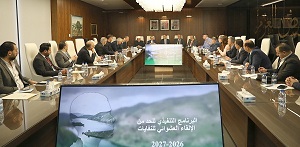
AMMAN — The government on Sunday announced the launch of the Executive Programme for the National Cleanliness and Anti-Littering Strategy for 2026–2027.
The programme launched during a meeting at the Prime Ministry attended by the ministers of local administration, government communication, awqaf and Islamic affairs, environment, and tourism and antiquities, in addition to the chairman of the Greater Amman Municipality Committee and the director of the Royal Department for Environmental Protection, according to the Jordan News Agency, Petra.
The executive programme is built around four main pillars designed to address random littering through an integrated framework of regulatory, technical, monitoring and awareness measures.
The programme, according to ministers, is based on an assessment of challenges across different regions and aligns environmental and development policies to promote sustainability, improve quality of life, reduce waste-management costs, stimulate the circular economy and enhance Jordan’s image as a clean and safe tourist destination.
Minister of Environment Ayman Suleiman, who heads the steering committee on combating littering, said the programme responds to growing environmental challenges and the high costs of waste collection, transportation and disposal.
He warned of the negative impacts of random waste disposal on public health and the environment, including soil and groundwater pollution and harm to plant and animal life.
Suleiman added that the programme aims to bring about a “qualitative” shift in public cleanliness by improving waste management in streets, squares and public spaces, forested and natural areas, as well as tourist and archaeological sites.
He said that the objectives of the national campaign include raising awareness and education, strengthening monitoring and law enforcement, protecting public health, and reducing the costs associated with waste management.
Minister of Local Administration Walid Masri said the programme includes a comprehensive plan to improve cleanliness in governorates and municipalities.
The plan covers waste collection and transportation from forest parks, tourist and archaeological sites, and main roads outside municipal boundaries, in addition to gradually upgrading waste-management infrastructure by increasing and fairly distributing waste containers based on population density and usage patterns, and modernising collection and transport mechanisms with an efficient fleet.
Minister of Government Communication Mohammad Momani reviewed the media efforts accompanying the programme, which aim to promote a culture of individual and collective responsibility, link cleanliness to ethical, religious and cultural values, and highlight the economic and tourism impacts of littering, with the goal of achieving tangible and sustainable behavioural change.
He referred to remarks by HRH Crown Prince Hussein, who, during his chairing of a preparatory committee meeting, stressed that caring for the cleanliness of public spaces is a religious and moral duty and a key factor in supporting vital economic sectors, particularly tourism, adding that Jordanians deserve to live in a clean environment that reflects the Kingdom’s civilised image.
Minister of Awqaf and Islamic Affairs Mohammad Khalaileh emphasised the role of mosques and places of worship in reinforcing the religious and moral dimensions of maintaining public cleanliness and limiting littering, in line with the values of Islam and other heavenly religions.
Minister of Tourism and Antiquities Imad Hijjazin said the programme will help preserve the cleanliness and aesthetic appeal of tourist and archaeological sites, reflecting their historical significance for visitors from around the world.
Chairman of the Greater Amman Municipality Committee Yousef Shawarbeh pointed to measures to improve cleanliness in the capital, including the gradual handover of cleaning, waste collection and transportation services to private-sector service providers, alongside strengthening infrastructure within Amman.
Director of the Royal Department for Environmental Protection Brig. Tambi Hamkari presented statistics related to environmental violations, stressing intensified monitoring and patrols in parks, tourist sites and public facilities, particularly during holidays and weekends.
During the meeting, ministers also listened to feedback from journalists and media professionals, who underscored the importance of curbing the phenomenon, warning that it could negatively affect the country’s image and its tourist and archaeological destinations.
They stressed the need to involve the media in all programme-related activities to support awareness and public education efforts.
The executive programme was approved by the Council of Ministers, and a ministerial committee headed by the Minister of Environment, alongside relevant ministers, the chairman of the Greater Amman Municipality Committee and the Public Security Directorate Director, has been formed to oversee implementation, submit periodic reports to the Cabinet, measure performance indicators, and assess environmental and behavioural impact to ensure effective and sustainable outcomes.
Latest News
-
 Daesh adapts after self-styled ‘califhate’ collapse, retains influence through covert cells — analysts
-
 Safadi delivers King’s greetings, reaffirms strong ties with Bahrain
-
 Safadi, US Barrack discuss latest developments in Syria
-
 SDF targets General Security building in New Aleppo with drone
-
 Violence in Kurdish Aleppo neighbourhoods displaces 155,000 - governor