- Last Update10-Jan-2026


- Tweet
-
Violence in Kurdish Aleppo neighbourhoods displaces 155,000 - governor
AFP
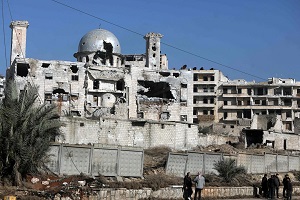
ALEPPO, Syria — Aleppo governor Azzam al-Gharib said on Saturday that the ongoing clashes in the northern Syrian city's Kurdish-majority neighbourhoods had displaced around 155,000 people.
At a press conference, the governor said "approximately 155,000 people were displaced from the Sheikh Maqsud and Ashrafiyeh neighbourhoods", heading for other parts of the city and the nearby countryside.
Kurdish forces on Saturday denied the government's claim that it was halting military operations in Aleppo's Sheikh Maqsud neighbourhood, where the two sides have clashed for days.
In a statement, Kurdish forces called Damascus' announcement "a blatant attempt to mislead public opinion", saying their fighters were still repelling a "fierce attack".
Syria's Kurds are committed to agreements reached with the government, a senior official from their administration told AFP on Friday, despite days of violence in the northern city of Aleppo.
The government and Kurdish forces have traded blame over who started the fighting on Tuesday, which came as they have struggled to implement a deal reached last March to merge the Kurds' administration and military into the country's new government.
Elham Ahmad, a senior official in the Kurdish administration in Syria's northeast, said that "we are committed to peace and to resolving problems through dialogue. But until now, the government... does not want a solution".
She accused Syria's authorities of "choosing the path of war" by attacking Kurdish districts in Aleppo.
"With these attacks, the government side is seeking to put an end to the agreements that have been reached. We are committed to them and we are seeking to implement them," she said.
The government announced a truce early Friday after days of deadly violence that has forced thousands to flee, and granted Kurdish fighters a deadline to leave two districts they control.
But the fighters were refusing to leave the Ashrafiyeh and Sheikh Maqsud areas and intended to "resist" the Syrian army encircling them, a statement by the local councils of the two neighbourhoods said.
'Children were terrified'
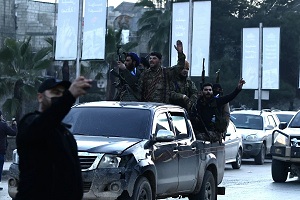
An AFP correspondent reported fierce fighting across Ashrafiyeh and Sheikh Maqsud districts into Thursday night.
Syria's military had instructed civilians in those neighbourhoods to leave through humanitarian corridors ahead of launching the operation.
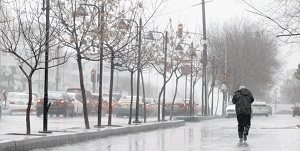
State television reported that around 16,000 people had fled on Thursday alone.
"We've gone through very difficult times... my children were terrified," said Rana Issa, 43, whose family left Ashrafiyeh on Thursday.
"Many people want to leave", but are afraid of the snipers, she told AFP.
Mazloum Abdi, who leads the SDF, said attacks on Kurdish areas "undermine the chances of reaching understandings", days after he visited Damascus for talks on the March integration deal.
The agreement was meant to be implemented last year, but differences, including Kurdish demands for decentralised rule, have stymied progress.
Sheikh Maqsud and Ashrafiyeh have remained under the control of Kurdish units linked to the SDF, despite Kurdish fighters agreeing to withdraw from the areas in April.
Turkey, which shares a 900-kilometre border with Syria, has launched successive offensives to push Kurdish forces from the frontier.
Aron Lund, a fellow at the Century International research centre, told AFP that "Aleppo is the SDF's most vulnerable area".
"Both sides are still trying to put pressure on each other and rally international support," he said.
He warned that if the hostilities spiral, "a full Damascus-SDF conflict across northern Syria, potentially with Turkish and Israeli involvement, could be devastating for Syria's stability".
Israel and Turkey have been vying for influence in Syria since Assad was toppled in December 2024.
In Qamishli in the Kurdish-held northeast, hundreds of people have protested the Aleppo violence.
"We call on the international community to intervene," said protester Salaheddin Sheikhmous, 61, while others held banners reading "no to war" and "no to ethnic cleansing".