- Last Update26-Mar-2026


- Tweet
-
Oil rises as a haven amid Hormuz disruptions - By Ahmad Al-Naimi, The Jordan Times
For decades, gold has been regarded as a safeguard during political and economic turmoil. Recent moves in financial and commodity markets, however, show that gold’s relationship with crises is no longer automatic: the metal rose in past crises but has experienced sharp volatility amid the current Middle East conflict, calling into question its status as a safe haven.
At the outset of the US–Israeli military action against Iran, gold prices climbed, but the rally was short-lived. After touching record levels above $5,500 per ounce last year, gold fell by roughly 13 per cent and settled near $4,400. The chief explanation for this decline lies in the strength of the US dollar and monetary policy decisions, particularly the Federal Reserve’s recent hold on interest rates, which bolstered dollar-denominated assets and reduced demand for gold, which yields no fixed income.
Liquidity dynamics have also played a part. As other markets underperformed and some investors were forced to meet margin calls, portions of gold holdings were sold to raise quick cash. As a result, gold has at times shifted from a long-term store of value to a short-term liquidity source, accelerating its declines during periods of market stress.
By contrast, oil has benefited directly from the tensions especially after attacks on energy infrastructure and the closure of the Strait of Hormuz, through which roughly 20% of global oil trade passes. Rising oil prices stoked inflation fears and prompted market participants to rebalance portfolios. Oil has become a vehicle for speculative, quick returns, while gold remains a store of value—albeit one that requires supportive economic conditions, such as a weaker dollar or lower interest rates, to regain momentum. Investors are now allocating positions across oil, the dollar, and tangible assets like real estate or core sectors according to their risk tolerance and investment objectives.
Signs of political intervention affecting energy prices have also emerged. The US president gave Iran an ultimatum to reopen the Strait of Hormuz and threatened strikes on energy facilities, which pushed oil higher. Yet large trades placed before a presidential announcement about “productive talks” triggered a sharp sell-off, renewing debate over whether political information and threats are being exploited for speculative purposes.
A recurring pattern, deliberate escalation followed by abrupt de-escalation, creates buy-the-dip, sell-the-rally opportunities for those with privileged market insight. This strategy is no longer confined to energy; it has appeared in inconsistent trade policies and erratic tariff decisions, at times turning public policy instruments into speculative tools for actors capable of moving markets.
Gold will likely resume its ascent only if the dollar weakens, interest rates fall, or a financial crisis undermines confidence in the banking system. Until then, gold remains part of a broader investment mix that demands deliberate diversification between value preservation, liquidity, and opportunistic positions in a world where crises have become arenas for both safety-seekers and quick-profit seekers.
Ahmad Al-Naimi is an associate professor in finance and risk
Latest News
-
 Safadi calls counterparts, discusses efforts to de-escalate regional tension
-
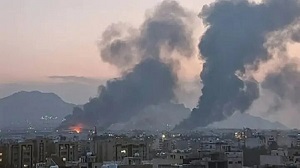 Iran media says energy infrastructure attacked
-
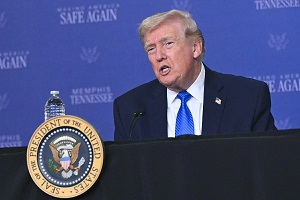 Trump calls off Iran strikes and announces 'very good' talks
-
 Lebanon PM says Iran Guards commanding Hizbollah operations in Lebanon
-
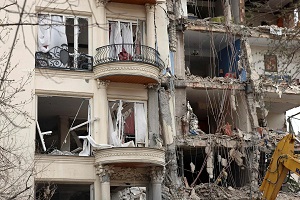 'Point of no return' looming in Middle East war — Red Cross