- Last Update29-Mar-2026


- Tweet
-
Energy security in Jordan… A cost challenge, not a supply problem - By Raad Mahmoud Al-Tal, The Jordan Times
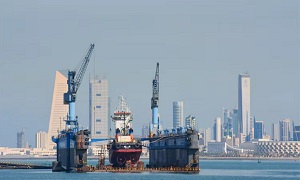
After a month of war, energy has become one of the main concerns for decision-makers in Jordan. The country has not faced any shortages in electricity or fuel. It has enough reserves to generate electricity for a full month, and fuel stocks that can last between 30 to 60 days. The Port of Aqaba is still operating normally, handling similar volumes of goods as last year, including fuel and gas shipments.
But the real issue is not supply. It is cost.
Global energy prices have risen sharply. Oil prices increased by about 41 per cent, and natural gas by around 14 per cent. This has directly raised the cost of energy in Jordan. Since the country depends heavily on imported energy, it is more exposed to global price changes. Today, energy costs are estimated at around 2 million dinars per day. Gas prices alone jumped from about 7 dollars to nearly 25 dollars per unit, which puts strong pressure on the economy.
The challenge becomes clearer when we look at Jordan’s energy mix. About 63 per cent of electricity comes from natural gas. Renewable energy contributes only 17 per cent, and oil shale about 16 per cent. This means any change in gas prices immediately affects electricity costs.
This is why renewable energy is important. Solar and wind energy can reduce dependence on imports. Jordan has strong potential in both, especially solar energy due to high sunlight levels. Renewable energy is also more stable in cost and not linked to global market fluctuations.
At the same time, the Risha gas field offers another opportunity. Production is expected to reach 75 million cubic feet per day by the end of 2025, and may increase further in the coming years. This could cover a larger share of local demand and reduce reliance on imports. In simple terms, Jordan has passed the test of keeping energy supplies stable. But now it faces a harder test: controlling costs and ensuring long-term sustainability.
The lesson is clear. Energy security is not only about having enough supply. It is about how the sector is managed. Jordan needs to diversify its energy sources, invest more in renewables, and increase local production. This is the only way to reduce risks and build a more stable and independent energy system.
Latest News
-
 Iran fires three missiles towards Jordan, two shot down — JAF
-
 US weighs sending up to 10,000 troops to Middle East — reports
-
 Kuwait says main port damaged in drone attack
-
 Global spike in oil prices won’t ‘immediately’ hit domestic fuel costs — Momani
-
 Trump says taking control of Iran's oil an 'option'