- Last Update09-Apr-2026


- Tweet
-
Oil prices plunge, stocks surge on US-Iran ceasefire
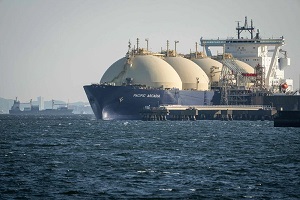
AFP
LONDON — Oil and gas prices plunged, stock markets soared and the dollar retreated Wednesday after the United States and Iran agreed to a temporary ceasefire that includes the reopening of the Strait of Hormuz.
"It is a massive market reversal," Kathleen Brooks, research director at XTB traders, told AFP after oil prices tumbled around 15 per cent to under $100 a barrel.
"There's a lot of hope in the market... that this (ceasefire) deal will primarily allow the flow of commodities through the Strait of Hormuz."
European gas prices opened down 20 per cent on news of the truce that followed a conflict lasting more than one month, in turn killing thousands and hammering the global economy.
Stock markets soared on Wednesday, with Europe's main indices winning between three and five per cent in midday trades.
The Tokyo stock market closed up 5.4 per cent and Chinese indices jumped around three per cent.
US futures were sharply higher ahead of Wall Street reopening Wednesday, while Middle East stocks rallied.
The dollar, a safe haven investment in times of market turmoil, slid against the euro, yen and British pound as investors returned to riskier assets.
"We expect volatility to remain high in the coming days, as investors scrutinise both details out of the negotiations and vessel traffic data," said Matthew Ryan, head of market strategy at global financial services firm Ebury.
"Should talks falter or activity through the strait remain subdued, oil prices and the dollar could reverse course fairly quickly."
Maritime monitor Marine Traffic noted that two ships had passed through the strait since Iran agreed to reopen the waterway, through which much of the world's oil, gas and fertiliser passes.
Trump said the United States would help with the traffic buildup, as shipowners and charterers prepared to move their vessels stuck in the Gulf.
Shipping journal Lloyd's List estimated that around 800 ships were hampered.
The International Air Transport Association meanwhile said that it would take months for jet fuel supplies and prices to normalise even with the strait's reopening.
"I don't think it's going to happen in weeks," said Willie Walsh, as he pointed to "disruption to the refining capacity in the Middle East".
Across global stock markets, most sectors saw sizable gains. Among the biggest winners were mining groups, banks and airlines, with gains of more than 10 per cent in some cases.
Energy majors slumped, however, having made huge gains over the past few weeks.
And despite Wednesday's hefty falls to oil and gas prices, they remain far above their levels on the eve of the Mideast war at the end of February.
"I don't think we're going to (quickly) go back to the levels we were at before the war," said Brooks.
"The reason why is that energy infrastructure across the Gulf has been targeted."
Latest News
-
 Trump says US will help 'with traffic buildup' in Hormuz Strait
-
 Hassan receives Syrian, Turkish transport ministers to discuss cooperation
-
 Trump warns 'whole civilization will die' in Iran if ultimatum expires
-
 Trump says Iran ceasefire proposal 'very significant step'
-
 Safadi discusses regional developments with Saudi, Qatari counterparts