- Last Update06-Apr-2026


- Tweet
-
Kingdom recorded no terror attacks, foiled several plots — study
The Jordan Times
AMMAN — The Kingdom recorded no terrorist attacks in 2025, according to a study by the Shorufat Centre for Globalisation and Terrorism Studies (SCGTS).
However, several complex plots were detected and disrupted, according to the study, which is based on the 2024 Global Terrorism Index (GTI 2026).
This, the study stated, reflected the effectiveness of a preventive security approach based on proactivity, intelligence gathering, and early intervention before execution.
The analysis also showed that Jordan’s security environment continues to be influenced by a volatile regional context, without direct impact on internal stability, according to the study.
At the international level, the study stated that the GTI 2026, issued by the Institute for Economics and Peace, ranked Jordan 44th globally, placing it among countries with low to moderate terrorism impact.
This reflected the state’s ability to contain threats within limited levels despite surrounding regional challenges, according to the study.
This ranking positioned Jordan in a middle tier within the Middle East, the study said.
The Kingdom remained distant from the most severe terrorism hotspots, such as Iraq, Syria, and Yemen, while ranking relatively higher than the more stable Gulf states, the study added.
The GTI 2026 covered 163 countries, representing approximately 99.7 per cent of the global population, and relies on comprehensive datasets measuring terrorism impact across four primary indicators: the number of attacks, fatalities, injuries, and hostages over an extended period.
On reflecting on the ongoing war against Iran and the regional tension, SCGTS founder and chairman Brig. Gen. Saud Sharafat said the current conflict “could result in some terror operations worldwide by the end of this year”.
The current war might have a negative effect in the region and worldwide by raising the threat of terrorist attacks,” Sharafat, who served in the General Intelligence Department until 2016, told The Jordan Times.
“We could see retaliatory terrorist attacks by the end of the year, potentially driven by Iran through Shia groups or inspired lone wolves targeting American and Israeli interests worldwide,” Sharafat added.
Established in 2015, the SCGTS mandate includes conducting studies, security and strategic consultations, analysis, intelligence services, geopolitical studies, as well as asylum and immigration issues.
Latest News
-
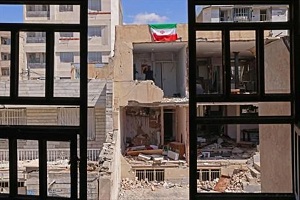 Iran hunts crew member of crashed US jet after one reported rescued
-
 Israel says striking Hizbollah sites in Beirut after destroying bridge
-
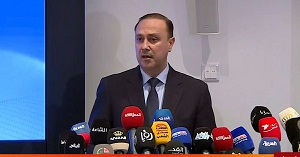 Jordan managing regional crisis with ‘efficiency, resilience’ – Momani
-
 2 US Aircraft Shot Down as War in Iran Escalates. At Least 1 Crew Member is Missing
-
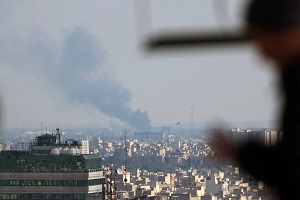 No Sign of War Winding Down in Mideast as Friday Dawns with Attacks across Region