- Last Update27-Sep-2026


- Tweet
-
Trump reportedly turns down Iran’s seven-day Hormuz proposal amid stalled talks
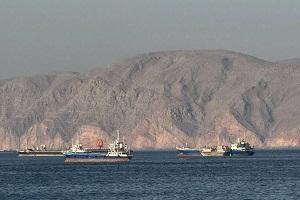
AFP
AMMAN — US President Donald Trump on Saturday has reportedly rejected an Iranian proposal for a seven-day ceasefire that would reopen the Strait of Hormuz and restart nuclear talks, as Washington and Tehran remain divided over the terms of ending the war and the wider issues surrounding Iran’s nuclear programme.
Iran’s proposal, conveyed through Qatari mediators, calls for a seven-day halt to hostilities, the release of frozen Iranian assets, the easing of oil sanctions and an end to the US naval blockade of Iranian ports. In return, Tehran would reopen the Strait of Hormuz on the seventh day and resume negotiations.
The Wall Street Journal has reported that President Trump had rejected the proposal, citing US officials familiar with the matter.
The report noted that Trump was sceptical that Tehran would meet his demands and added he sees a renewed bombing campaign as likely, according to AFP.
Trump also posted an image to his Truth Social platform of a map showing the Strait of Hormuz circled and labelled "Trump Strait".
Iranian President Masoud Pezeshkian said Tehran's new plan to reopen the strategic Strait of Hormuz was coordinated with supreme leader Mojtaba Khamenei, AFP reported, citing state media reports that quoted an interview with US media.
Pezeshkian also told broadcaster CBS that the Islamic republic would fulfil its obligations were the United States to agree to the proposal, according to excerpts released by state news agency IRNA.
Iranian Foreign Minister Abbas Araghchi met US envoy Steve Witkoff and Jared Kushner, while Qatar continued efforts to bridge differences between the two sides. Doha has said it sees a desire on both sides to restore diplomacy.
Araghchi has said the Strait would reopen after the conditions of the seven-day plan were fulfilled, while insisting that Iran would not negotiate under pressure. Iran has also argued that reopening the waterway should be addressed alongside the wider questions of the war, sanctions and its nuclear programme.
The dispute has therefore moved beyond Hormuz itself. It now involves maritime security, economic sanctions, military pressure, Iran’s nuclear programme and the future framework of US-Iran relations.
The earlier memorandum of understanding has also become a point of contention, with both sides disputing responsibility for its collapse.
In remarks to The Jordan Times, political analyst Amer Sabaileh said that Iran’s latest proposal does not correspond with the scale of developments on the ground, arguing that Washington has already moved towards broader pressure on Tehran.
He said that the United States had moved beyond the issue of Hormuz towards economic isolation and wider air and naval pressure, while practical measures around the Strait, including mine clearance, the establishment of a dedicated shipping lane and the escorting of vessels, indicated that navigation was returning towards more normal levels.
“Anyone who thinks the story is still about the Strait of Hormuz is mistaken,” Sabaileh said.
He argued that focusing on Hormuz or the nuclear issue alone would no longer be enough, as time had turned against Iran and Washington had gained greater control over the course of events.
Sabaileh also argued that economic and air isolation was creating pressure inside Iran at the financial, social and political levels, increasing the importance of domestic developments for Tehran’s calculations. Returning to the points of the previous understanding, he said, would no longer be sufficient because developments over the past two months had significantly changed the negotiating environment.
Latest News
-
 King’s UN address puts Israel, international community on notice over Gaza, West Bank
-
 Golan will remain Syrian, vows President Al Sharaa at UN
-
 Foreign minister calls for ‘concrete, deterrent’ measures to uphold two-state solution
-
 King participates in multilateral meeting at invitation of President Trump
-
 US to build two military bases in southern and eastern Greenland