- Last Update20-Oct-2026


- Tweet
-
AI supports diagnosis, patient care at Chinese hospital with 14 million medical records
The Jordan Times
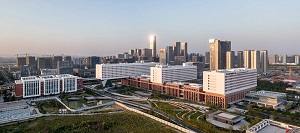
BEIJING, China — Digital medical records, AI-assisted imaging and automated medication alerts are among the technologies used at the First Affiliated Hospital of Zhejiang University School of Medicine in eastern China to improve access to patient information and support clinical work.
The hospital also uses artificial intelligence to analyse medical images, highlight areas that need closer examination, and provide information to assist doctors in identifying potential signs of disease.
During a visit to the hospital, the director of its medical imaging department said that the technology could help ease the workload of specialists and reduce the likelihood of errors, particularly amid a shortage of pathologists.
The director also said that AI systems analyse medical data, identify areas requiring further examination and provide suggestions to help doctors assess cases.
The technology supports rather than replaces medical professionals, who remain responsible for diagnosis and treatment, he added.
The hospital also holds approximately 14 million medical records and receives more than 9,500 outpatient visits daily, he said.
Its digital systems allow medical teams to access patients' medical histories, test results, surgical records, medication information and nursing data through a unified platform, helping them retrieve information and monitor patients' conditions.
Artificial intelligence is also used to assist in identifying potential cases of pancreatic cancer. During a demonstration, hospital representatives noted that the hospital also uses digital systems to monitor medication and alert doctors to potential drug interactions.
According to explanations provided during the visit, the technology can help analyse interactions and suggest alternatives in less than 30 seconds, supporting doctors in assessing potential risks and determining appropriate courses of action.
Beyond software, the hospital has also introduced smart cabinets that allow medical staff to access supplies by touch, with transactions recorded digitally to improve the tracking and availability of medical equipment and materials.
The institution is expanding its physical capacity alongside its digital systems, with a new building under construction that is expected to provide approximately 2,000 additional beds.
The hospital's International Healthcare Centre provides services to patients from outside China, its director said, adding that the institution receives approximately 3,000 emails annually from abroad concerning medical enquiries and services.
The hospital has also been involved in medical training and professional exchanges with Jordanian institutions.
Seven nursing professionals from the University of Jordan and Zarqa University had completed a four-week specialist training programme at the First Affiliated Hospital of Zhejiang University School of Medicine, according to a statement.
The programme focused on hepatobiliary and pancreatic nursing, including care for patients undergoing liver transplantation.
The training also covered surgical and postoperative nursing, liver transplantation and intensive care, clinical observation, simulation training, multidisciplinary case discussions, nursing quality improvement and academic exchange.
Latest News
-
 Yemen’s military claims 1,417 strikes on Houthis, about 800 fighters killed or wounded
-
 Jordan condemns West Bank settler attack on European diplomats
-
 Iran's military says oil tanker on fire in Gulf of Oman
-
 EU will need to increase Ukraine funding to plug gap — Merz
-
 Coalition says Houthis attacked King Khalid International Airport 20 times so far this month