- Last Update29-Nov-2026


- Tweet
-
Social security , protection for today and tomorrow - By Zaid K. Maaytah, The Jordan Times
When we speak about social security in Jordan, retirement is often the first thing that comes to mind, we associate monthly contributions with securing an income when we are no longer working, an association that may overshadow other benefits offered by the system, and while retirement remains a fundamental component of social security, the way people perceive its purpose deserves closer attention, particularly in light of Jordan's ongoing efforts to expand social security coverage.
From a behavioural economics perspective, people tend to give greater weight to their immediate needs than to their future interests, a tendency known as present bias, which can lead individuals to postpone decisions that would benefit them in the long term, when applied to social security, the financial cost of monthly contributions is immediate, while the perceived benefit may lie decades ahead, making enrolment less attractive, particularly among younger workers for whom retirement seems distant and whose income is already committed to meeting current financial obligations.
Yet Jordan's social security system offers a much broader range of benefits, including insurance against occupational injuries, unemployment and disability, as well as maternity benefits and financial protection for eligible surviving family members, these forms of insurance address risks and financial needs that may arise well before retirement, subject to the applicable eligibility conditions, and their significance becomes particularly apparent when we consider the financial vulnerability that individuals and families may experience following an unexpected interruption to their income.
This presents an opportunity to approach the challenge of expanding social security coverage from a different perspective, particularly since individuals may be evaluating enrolment based on only a fraction of its actual benefits, rather than focusing primarily on encouraging people to think further ahead, we can recognize their natural tendency to prioritize the present and incorporate it into the way we communicate the benefits of enrolment, by making the protection offered during working life more prominent, we may increase the perceived value of participation without requiring individuals to fundamentally change the way they evaluate their financial decisions.
Putting this approach into practice requires recognizing that the relevance of different benefits varies according to people's circumstances, occupational injury insurance may carry particular significance for workers in physically demanding professions, while maternity and unemployment benefits may be more relevant to others, understanding these differences can help the Social Security Corporation develop targeted communication that goes beyond general awareness and reaches individuals when they are making enrolment decisions, with different messages scientifically tested to assess their influence on actual enrolment, rather than simply measuring how well people understand the information presented to them.
Expanding social security coverage will undoubtedly require continued efforts to address structural challenges such as affordability, informal employment and employer compliance, but behavioural insights can complement these efforts by identifying opportunities that may otherwise be overlooked, the effectiveness of a social protection system depends not only on the benefits it provides, but also on whether people recognize their value when making decisions, and broadening the perception of social security from a retirement scheme to a system of financial protection throughout working life could encourage greater participation and ultimately contribute to a more financially resilient society.
Latest News
-
 Crown Prince attends Jordan-Ireland ICT Forum TechConnect
-
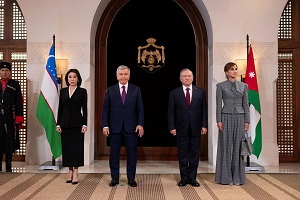 Jordan, Uzbekistan issue joint statement following conclusion of talks between King, Uzbekistan president
-
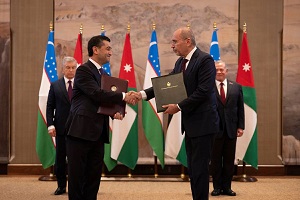 King, Uzbekistan president witness exchange of agreements, MoUs
-
 King, Queen receive Uzbekistan president, first lady at start of their state visit to Jordan
-
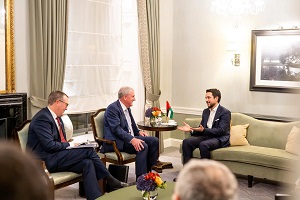 Crown Prince meets with Enterprise Ireland executive directors