- Last Update04-Dec-2025


- Tweet
-
Jordan’s National Water Conveyance: A Sovereign Project Reshaping the Kingdom’s - By Mohammad Ibrahim Najeeb, The Jordan Times
Amid mounting water scarcity and climate pressures, Jordan is taking a bold step with its National Water Conveyance project, a transformative initiative aimed at securing the country’s water future. The project plans to produce 300 million cubic meters of desalinated seawater annually, transporting it from Aqaba to Amman through a 438-kilometer pipeline, powered by a 281-megawatt solar energy plant. With an estimated cost of $3.5 billion, it is the largest project of its kind in Jordan’s history.
The Jordanian government has embedded this project within a forward-looking national vision, securing international financing through grants and concessional loans to reduce pressure on the state budget. This includes a €200 million concessional loan dedicated to implementation. These financial measures reflect Jordan’s determination to convert water scarcity into a long-term strategic asset.
Beyond its financial scale, the project stands out for the institutional framework designed to ensure success. The Ministry of Water and Irrigation has established a specialized national unit staffed with highly qualified local experts to oversee all project components, from desalination to pipeline management and pumping operations. Following a public-private partnership (PPP) model, the project balances risks while promoting sustainable operations. Meridiam Suez was selected as the preferred contractor after rigorous technical and financial evaluations.
Jordan’s success with the Khirbet Samra wastewater treatment plant offers a clear example of local capability. Jordanian teams, working with international partners, have effectively treated large volumes of wastewater for reuse in agriculture and industry. Such achievements build confidence in the kingdom’s capacity to handle complex, large-scale projects while maintaining high technical and environmental standards.
The project faces notable hurdles. The mountainous terrain between Aqaba and Amman drives up pumping costs and energy consumption, particularly if the solar power plant faces delays. Environmental risks are real: discharging highly saline desalination brine into the Gulf of Aqaba could threaten coral reefs and marine ecosystems, requiring continuous monitoring and strict environmental assessments.
Water pricing also remains a sensitive issue. Policies must protect low-income groups while ensuring the project’s financial sustainability. Gradual pricing strategies and targeted subsidies will be essential to maintain a balance between water security and social equity.
Timing adds another layer of complexity. Negotiations on foundational contracts are ongoing, and some investment consortia have withdrawn or failed to meet technical and financial requirements. Despite these challenges, the government aims to begin gradual water delivery between 2027 and 2028, making the project central to Jordan’s national water strategy through 2040.
The success of the National Water Carrier will position Jordan as a regional leader in water management, leveraging clean energy and modern technology. More than pipelines and desalination plants, it is a long-term sovereign investment, enhancing the kingdom’s resilience to climate challenges and improving quality of life for generations to come.
In conclusion, Jordan’s National Water Conveyance Project exemplifies the country’s ability to transform challenges into opportunities, combining international financing, national expertise, and private-sector partnership. The project’s significance extends beyond economics to social, environmental, and cultural spheres, reflecting a clear national vision and practical ambition for a sustainable water future.
Latest News
-
 Netanyahu open to deal with Syria but insists on strict security conditions
-
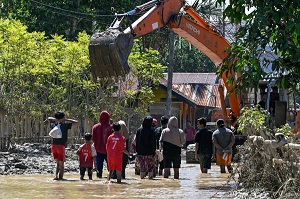 Race to get aid to Asia flood survivors as toll tops 1,200
-
 Pope Leo to honor Beirut blast victims with silent prayer at port
-
 Trump optimistic after Ukraine talks as Rubio says 'more work' needed
-
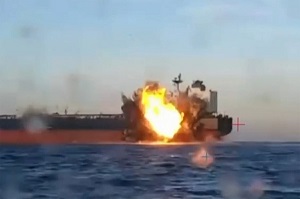 Turkey's Erdogan calls Black Sea drone strikes a 'worrying escalation'