- Last Update11-Nov-2026


- Tweet
-
Othering speech, where hatred begins - By Zaid K. Maaytah, The Jordan Times
In the aftermath of the recent terrorist events much has been said about hatred, extremism and the need to confront them, but there is another issue that deserves our attention, one that is less obvious and far more familiar, the everyday language through which we divide people into us and them, often without realising how such distinctions influence the way we see our fellow citizens.
It is natural for people to identify with a religion, tribe, family or social community, these identities are part of our lives and often shape our relationships, the problem begins when we use them to judge others, when the actions of an individual become a judgement about an entire community, or when differences become reasons for suspicion, this is othering, and it can exist without any open expression of hatred, in fact, some of these attitudes become so familiar that we barely notice them in everyday conversations.
Othering can weaken our compassion toward those we perceive as different, making us less sensitive to their suffering and more willing to believe negative claims about them, over time, this can create an environment in which hate speech finds a more receptive audience, and extremist ideas become easier to spread, the concern is not that every prejudice will lead to hatred, but that repeated divisions can make hostile messages seem more believable than they otherwise would.
This is why confronting hatred should not be limited to laws and security measures, governments can also act earlier by encouraging greater interaction between citizens from different backgrounds, particularly among younger generations, whose views of society are still developing through their families, schools, friendships and daily experiences.
Schools from different areas could organise joint trips and projects, sports clubs could hold joint events and competitions, while municipalities and civil society organisations could bring residents together through volunteering and community activities, much of this can be achieved through existing programmes, with greater attention to bringing together people who might otherwise rarely interact, and ensuring that these encounters are not limited to ceremonial occasions but become a regular part of community life.
These encounters offer something that speeches about tolerance cannot always achieve, the opportunity to discover that people from different backgrounds share similar hopes, concerns and everyday experiences, a child who makes a friend during a school trip, or a young person who meets others through sports, may begin to question assumptions they previously accepted without much thought, and such friendships can also influence how they respond when they later hear unfair generalisations about those communities.
This approach is also supported by research showing that positive contact between different social groups can reduce prejudice, particularly when people cooperate and interact as equals, which makes the quality of these activities as important as their frequency, the objective is not to convince people that their differences do not exist, but to ensure those differences do not prevent them from understanding and respecting one another.
Fighting hate speech and radicalisation remains essential, but prevention should also begin before hatred takes hold, by making better use of our schools, sports facilities and community institutions, we can help address the divisions that allow it to grow, and give more citizens the opportunity to form their opinions of others through personal experience rather than inherited assumptions.
The writer is researcher in economics and behavioural policy
Latest News
-
 Rubio says progress made on 'security infrastructure' after Ukraine war
-
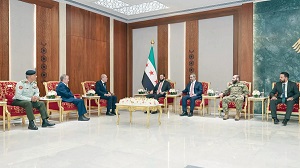 Syria’s Al Sharaa receives high-profile Jordanian delegation, underlines deep Damascus-Amman ties
-
 Cabinet approves tougher anti-terrorism measures, introduces harsher penalties
-
 Herzog Tasks Gadi Eisenkot With Forming New Government
-
 US military offers $20 million reward for information on ‘Iran’s nuclear program’