- Last Update17-Aug-2026


- Tweet
-
Iran-US deadline expires as Hormuz dispute blocks deal
AFP
AMMAN — The 60-day deadline set for Iran and the United States to reach a final agreement expires on Monday without a final deal, as the two sides remain divided over the Strait of Hormuz and the US naval blockade on Iranian ports.
The deadline was set under a 14-point memorandum of understanding signed by Tehran and Washington in Islamabad on June 18. The agreement was intended to end the war and pave the way for a final agreement within 60 days, with an extension possible only with the consent of both sides.
The MoU also outlined a gradual lifting of the US naval blockade, the resumption of commercial shipping through the Strait of Hormuz, exemptions for Iranian oil exports and the release of frozen Iranian funds.
Iran has accused Washington of failing to lift the naval blockade according to the agreed timetable. The United States, meanwhile, has accused Tehran of failing to restore commercial navigation through Hormuz.
The dispute has made the strategic waterway the central issue between the two sides. Iran has set six conditions for reopening the strait, including an end to military operations, the lifting of sanctions and the blockade, the withdrawal of US forces from the area, compensation for war damages and the release of frozen Iranian funds.
Washington has maintained its naval pressure on Iran. US Central Command also announced the entry of the aircraft carrier USS George H.W. Bush into the Arabian Sea, in the latest US military move in the region.
Hormuz remains a major source of leverage for Tehran because of its importance to global energy supplies. Before the war, around one-fifth of global energy supplies passed through the waterway.
Iran has meanwhile maintained a hard military position.
On Sunday, Iranian army chief Amir Hatami announced a reward equivalent to $30,000 for killing or capturing US military personnel and handing them over to Iranian authorities. He said the reward would be doubled if the action were carried out by an Iranian woman.
Hatami also repeated Iran’s demand for US forces to leave the region, saying they no longer had permission to enter the Persian Gulf, the Gulf of Oman or the Strait of Hormuz.
The conflict was previously paused by an April ceasefire after nearly 40 days of fighting. A June framework for peace talks followed, but later collapsed, leaving the two sides trading fire sporadically, mainly around southern Iran and the Strait of Hormuz.
Political analyst Amer Sabaileh said the absence of an agreement was expected given the course of the conflict.
“It was natural because an agreement was not expected. Even during the 60-day period, Trump attacked Iran within two weeks,” Sabaileh said. “I believe the current environment is about moving the crisis inside Iran, tightening the siege, imposing unprecedented economic sanctions and working to strike what remains of Iran’s capabilities in the region.”
“The escalation against Hezbollah, the direction towards Iraq and the Houthis all fit into this approach,” he added. “The next step, I believe, is to work from inside Iran.”
The expiry of the deadline leaves the original framework without a final settlement, while the blockade, freedom of navigation through Hormuz and wider military pressure remain the main unresolved issues shaping the next phase of the confrontation.
Latest News
-
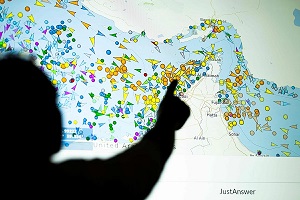 Iran fires back at Trump's threat to declare Hormuz a US territory
-
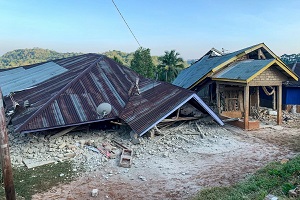 Powerful quake off Indonesia kills 20, sparks mass evacuations
-
 Trump Says Will 'Soon' Declare Hormuz Strait US Territory
-
 Jordan condemns Iranian attack on UAE tankers in Strait of Hormuz
-
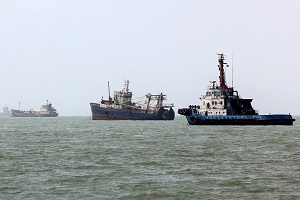 Iran says it manages Strait of Hormuz after Trump claims US control